Impressionism's Impression
The influence of Degas and Impressionism on art interpretation and modern expression.
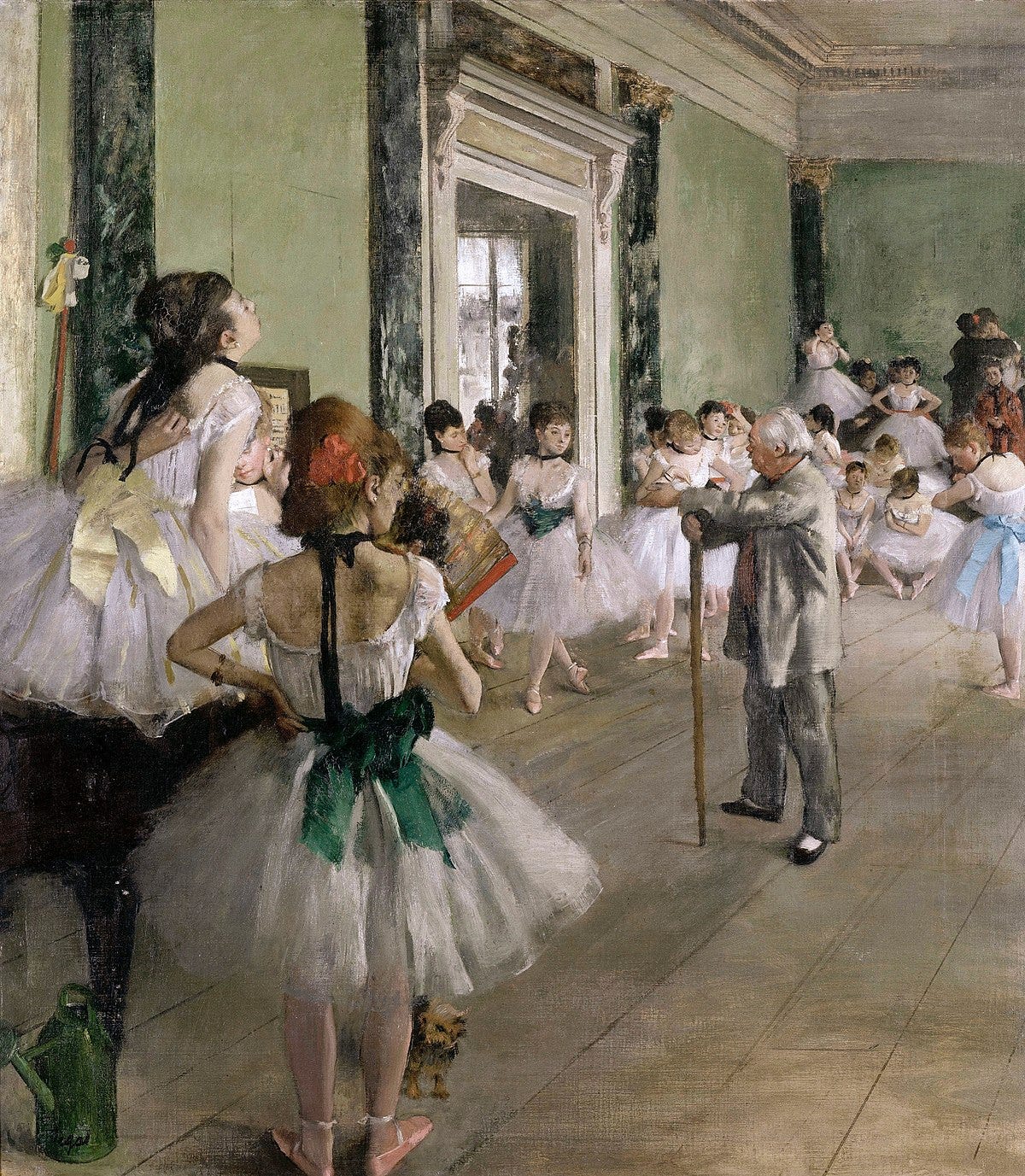
Edgar Degas watched as Jules Perrot instructed a class of ballet dancers in the Paris Opera, applying a stroke of paint as Perrot wrapped up the lesson right in front of him. Degas and other impressionist artists established one of the most important movements of art expression through plein air (open air) painting, capturing the momentary effects of light and movement of a natural scene.
Degas is considered a founding artist in the impressionist art movement, originating in the 19th century in France, characterized by many visible brush strokes, open composition, and a focus on capturing the natural and fleeting moment in front of the artist. Claude Monet’s Impressionism, Sunrise, gave birth to the name of the movement; many conventional artists at the time hated the movement, calling it unfinished and imperfect.
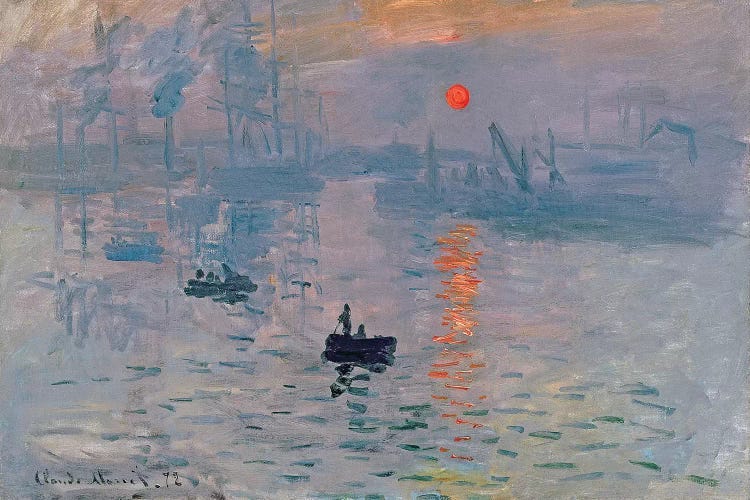
Impressionism works are characterized by impasto painting, where brush strokes are easily seen on the canvas since paint was applied in thicker layers with shorter brush strokes. Colors are made more vibrant through the use of the contrast effect, where artists applied colors with as little mixing as possible next to each other. There were a lot more soft edges as well, as paint was applied wet on wet. Shadows being cooler and painted with the sky’s blue became more common. Black paint was rejected heavily as well; to get darker tones and grays, complementary colors were blended together. For example, I’ve used crimson red + yellow + ultramarine for a dark brown color. Adding more ultramarine and a bit more red would make the color practically black, and this color could be adjusted by adding varying amounts of white and yellow.
By portraying visual effects and realistic scenes of life and environments, rather than smoothly shaded and perfected still lifes inside a studio, impressionists broke the rules of academic painting to capture movement and an immediacy of a scene. As an event photographer, I find it very analogous to candid photography, where by immersing yourself in the environment, one could capture in-the-moment scenes and expressions with natural poses and unique angles. Take, for instance, Degas’ Musicians in the Orchestra painting.
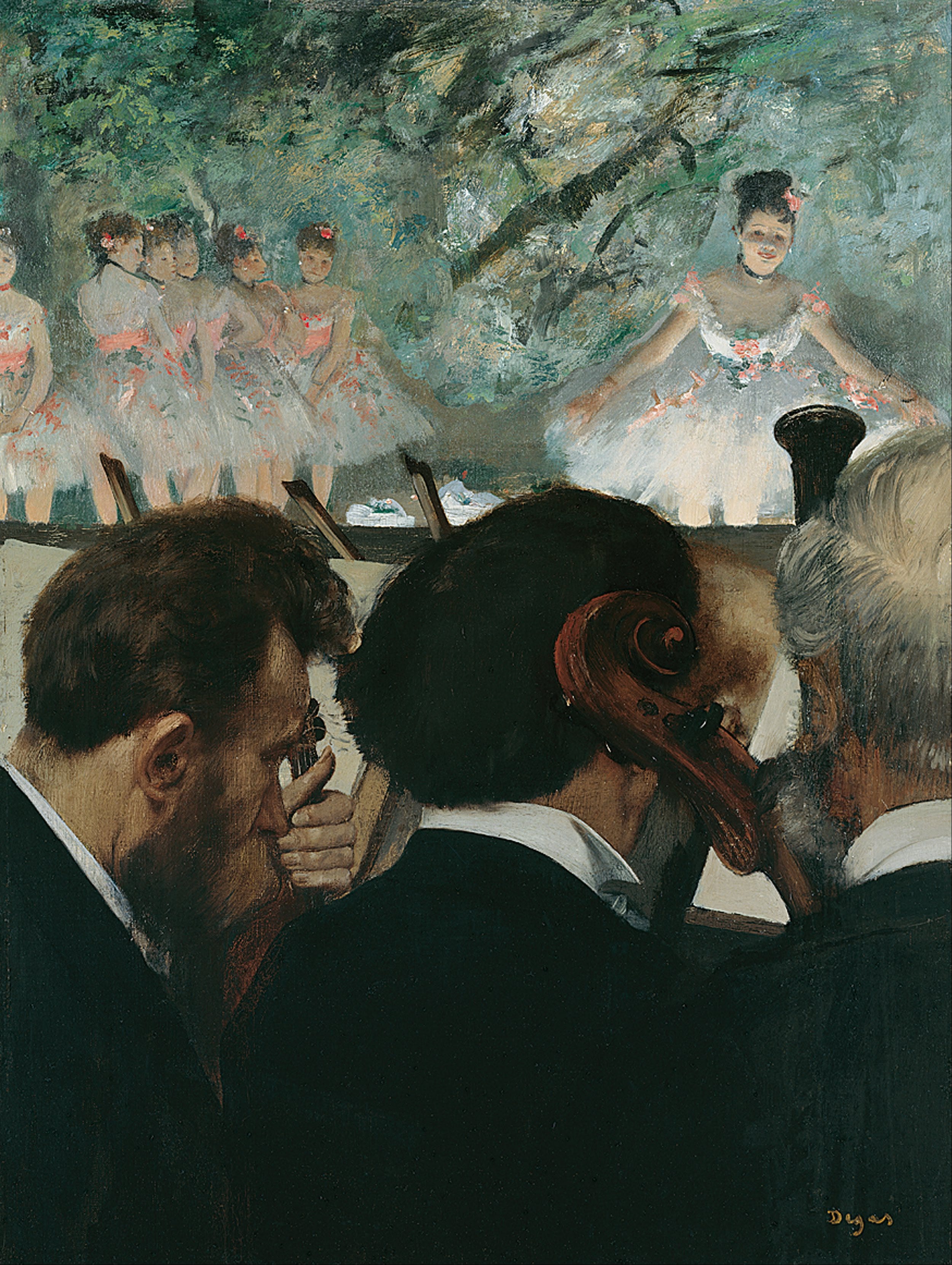
Degas himself was a critique of impressionism, actually belittling the practice of plein air and is inspired by previous great masters and Japanese prints. However, his work could be considered the most Impressionist-like, capturing original observation in everyday life, from dynamic ballet dancers to darker scenes, such as in the painting Interior. Nevertheless, his work, along with many other impressionists, have influenced art forms we see often even today.
Impressionism’s impressions today
Impressionism directly paved the way for future artistic movements like neo-impressionism, fauvism, cubism, and modernism, but also has provided unique inspiration and developments for other types of art and design systems.
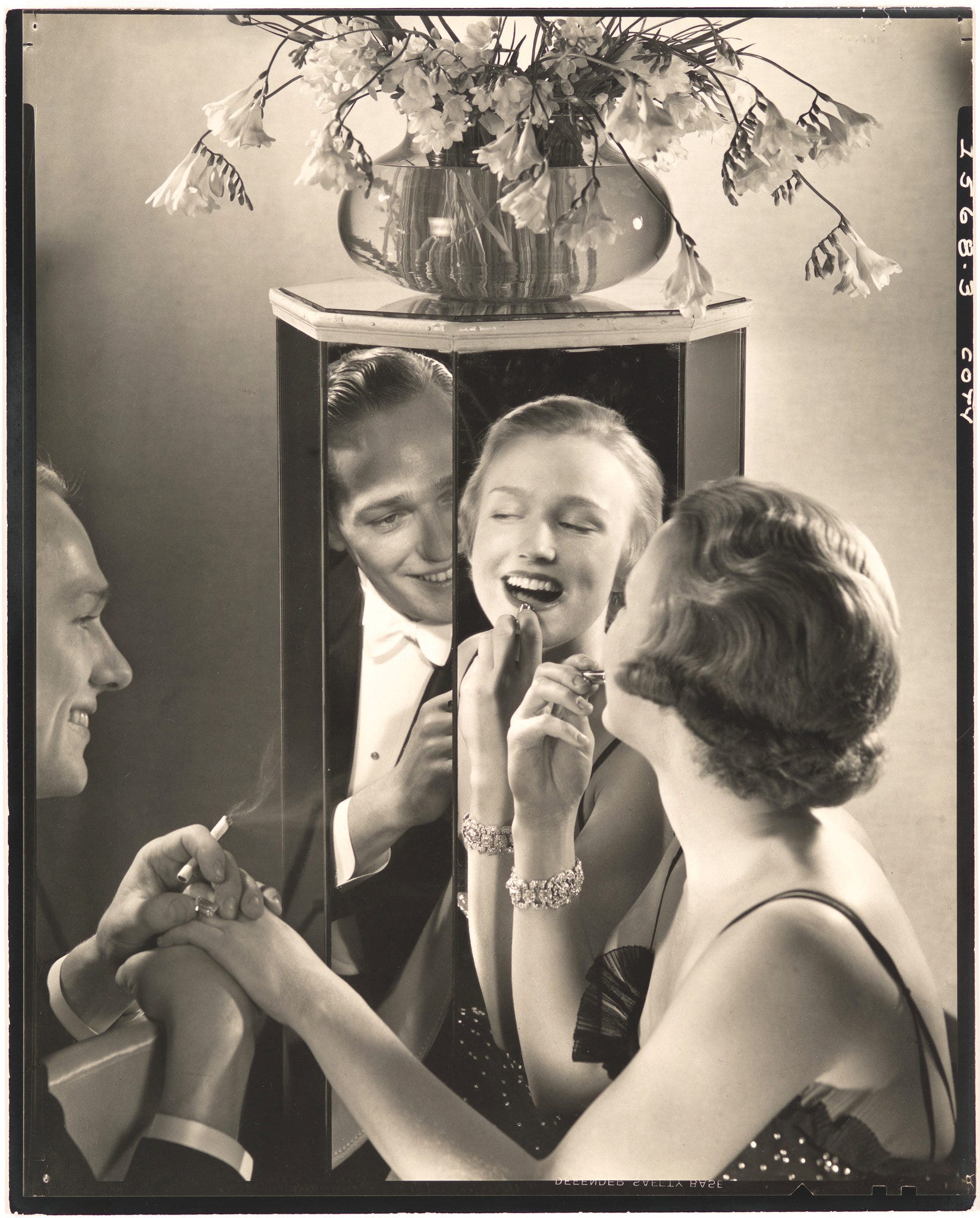
A low hanging fruit of the lasting effects of impressionism is visible in photography and cinematography. Plein air painting focused on artists capturing ephemeral qualities of light and atmosphere in fleeting moments. This practice had a significant impact in the photographic and cinematic practices when cameras were invented alongside the birth of the movement. People realized that capturing fleeting moments were interesting and sometimes more desired than posed, perfectionist “romantic” art. Early on, photographers in the modernist movement, like Alfred Stieglitz and Edward Steichen, were heavily influenced by the in situ experience of impressionism art. It is clearly shown in Steichen’s fashion and WWII photography work, actively striving to capture movement and unique angles.
French and German avant-garde impressionism movements also stemmed from the works of Degas and Cezanne and the likes, focusing on more evoking underlying emotions and using film as an art form for the sake of art. More recently, movies such as Amelie, by Jean-Pierre Jeunet, have an impressionists’ focus on more surreal sensory experiences and emotional intensity.

UI and modern design systems have been influenced by impressionism as well, specifically how designers approach color, contrast, visual hierarchy, and component design. Right away, we can see color practices in pop-art, post-modern, and retro style design systems stemmed from impressionism and modernism’s contrast and vibrancy, as seen in Paula Scher’s designs:

However, more subtly in web and application design, the recent surface of Cosmic UI and Material opposed the skeumorphism that was so prevalent in the 2000s. Cosmic UI and Material design focus on minimalism but also effects such as parallax, gradients, and bright accent colors to provide texture and a sense of three-dimensionality without pure realism.

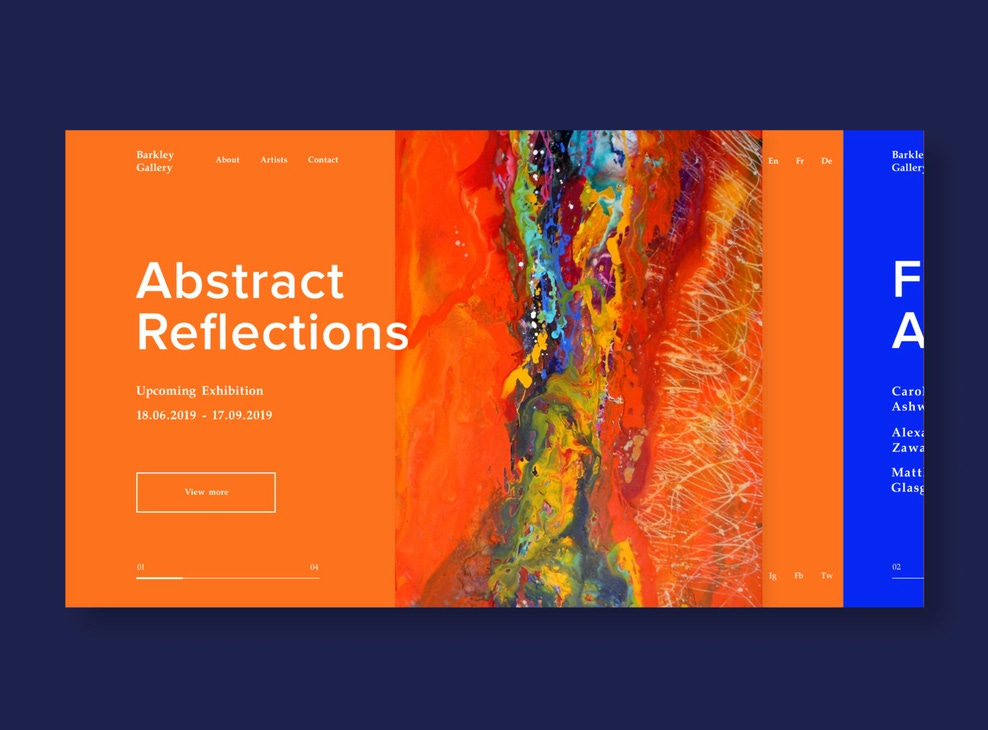
Additionally, the use of impressionist texture and color as a contrast to more simple typefaces, blocks, and cards on sites, creating visually amazing and interesting juxtapositions. Through photobashing, filters, noise, and bright colors, site design could bring a lot more emotion and impact to a simple interface. These types of designs also suggest engagement and interaction from a user compared to traditional design.
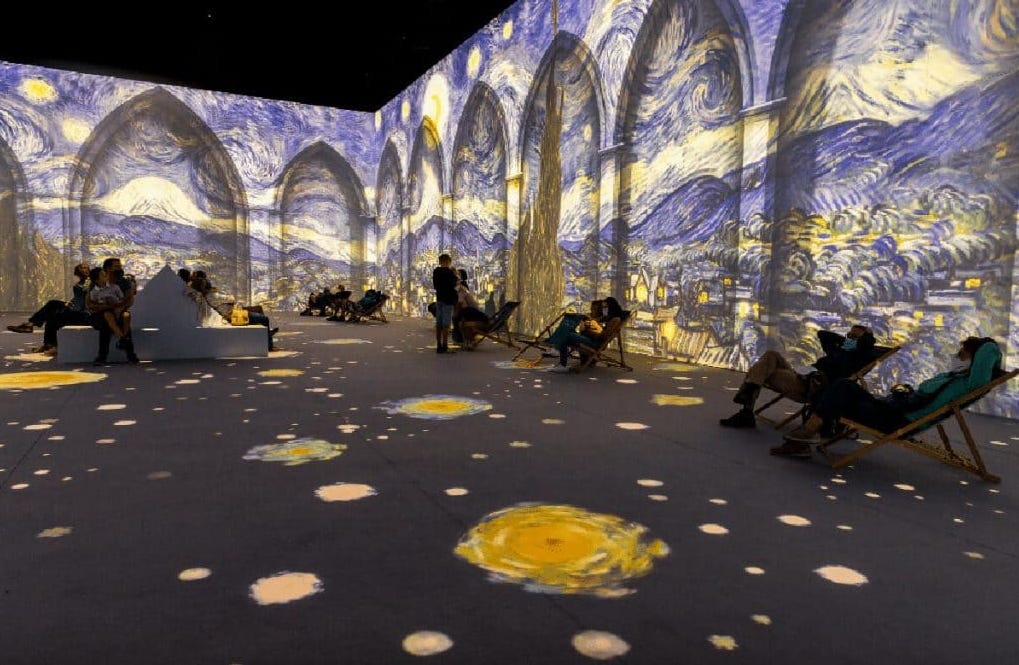
Many gaming and immersive experiences pay homage to impressionist styles and ideals as well. In exhibits like Artechouse DC and Van Gogh, visiters are put into an impressionist’s work with flowing and moving images of colorful, contrasting environments. Interactive art exhibits often bring viewers into the middle of the art piece, holding the fleeting actions of an interaction as part of the beauty a piece wants to convey.
Video games are another outlet for where impressionism has impacted development patterns and advancements in its creative expression. Seeking to create immersive and engaging worlds that are full of sensory detail and nuance, many games of the “ambient” and open world genre use light, color, and atmosphere to create emotional and aesthetic experiences that are inspired by the impressionist approach to art. Journey is one of the many examples of how impressionist concepts of depicting atmosphere and lighting can improve a game’s immersive and emotional feel.

Art in its Truest Form
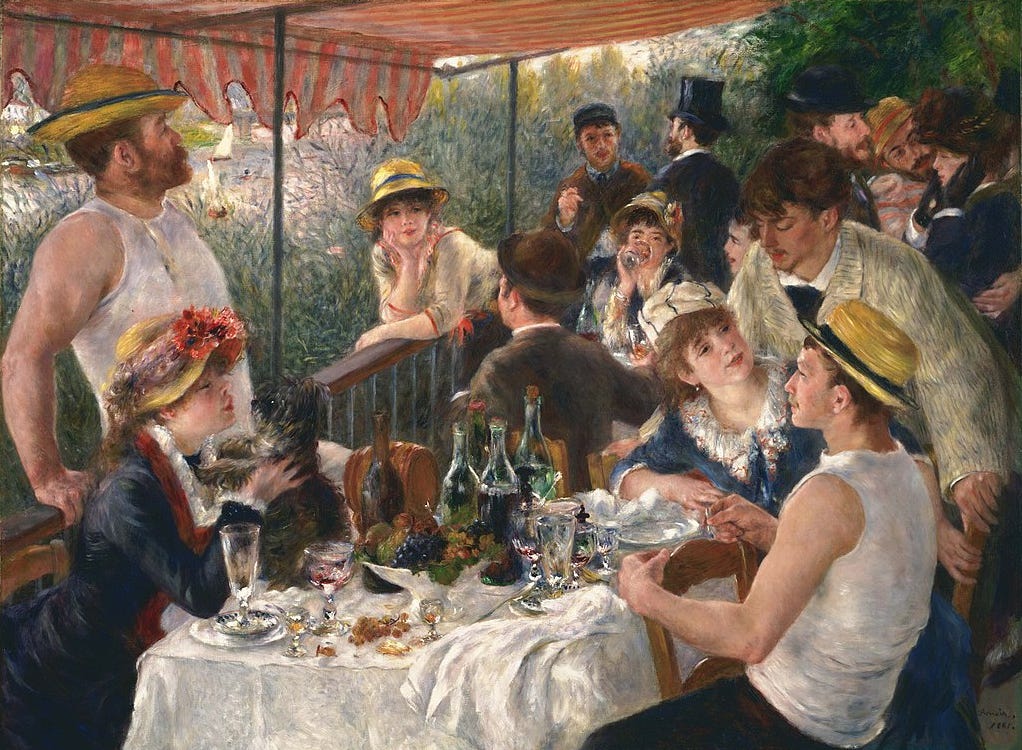
Impressionism is a beacon of light in the history of art, a movement that forever changed our perception of the world and our place in it. Through their vibrant and emotive paintings, the impressionists sought to capture the essence of life, to freeze a moment in time and imbue it with a sense of immediacy and depth.
What makes impressionism so powerful is its focus on the fleeting moments that make up our lives, the memories and emotions that linger long after the event has passed. By painting “photographs on canvas,” the impressionists were able to capture the essence of these moments with a clarity and precision that had never been seen before. They understood that life is a series of moments, each one fleeting and ephemeral, and sought to capture the magic and beauty of these moments in their paintings.
In my opinion, impressionism was the inflection point that marked the beginning of a new era in art, one in which artists were free to explore their own emotions and experiences without being bound by the dictates of tradition or society, a belief that strongly is held throughout fauvism, post-modernism, and contemporary movements. With the contributions of Degas, Renoir, and many others, more creatives create art for art’s sake, embedding the aesthetics and emotional factors beyond the canvas and into every day media and design.