Latis
Securing Over-the-Air Updates for Industrial IoT through DLTs

The Problem
Outdated firmware and operating systems in IoT devices pose a significant cybersecurity threat to OT manufacturers’ large scale actuators. Edge cybersecurity solutions are still in their infancy, and current firmware update methods are often unscalable, leading to devices not being updated for over 15 years.
Our research aims to address this issue through decentralization, ensuring manufacturers’ systems are up-to-date and patchable by trusted entities. This approach eliminates attack surfaces without sacrificing connectivity or efficiency, making it a viable solution for securing large scale actuator IoT devices. Such devices often contain PLCs, RTUs, and computers that could be hijacked as part of botnets, posing financial losses and safety risks for operations and human workers.
How My Team is Solving It
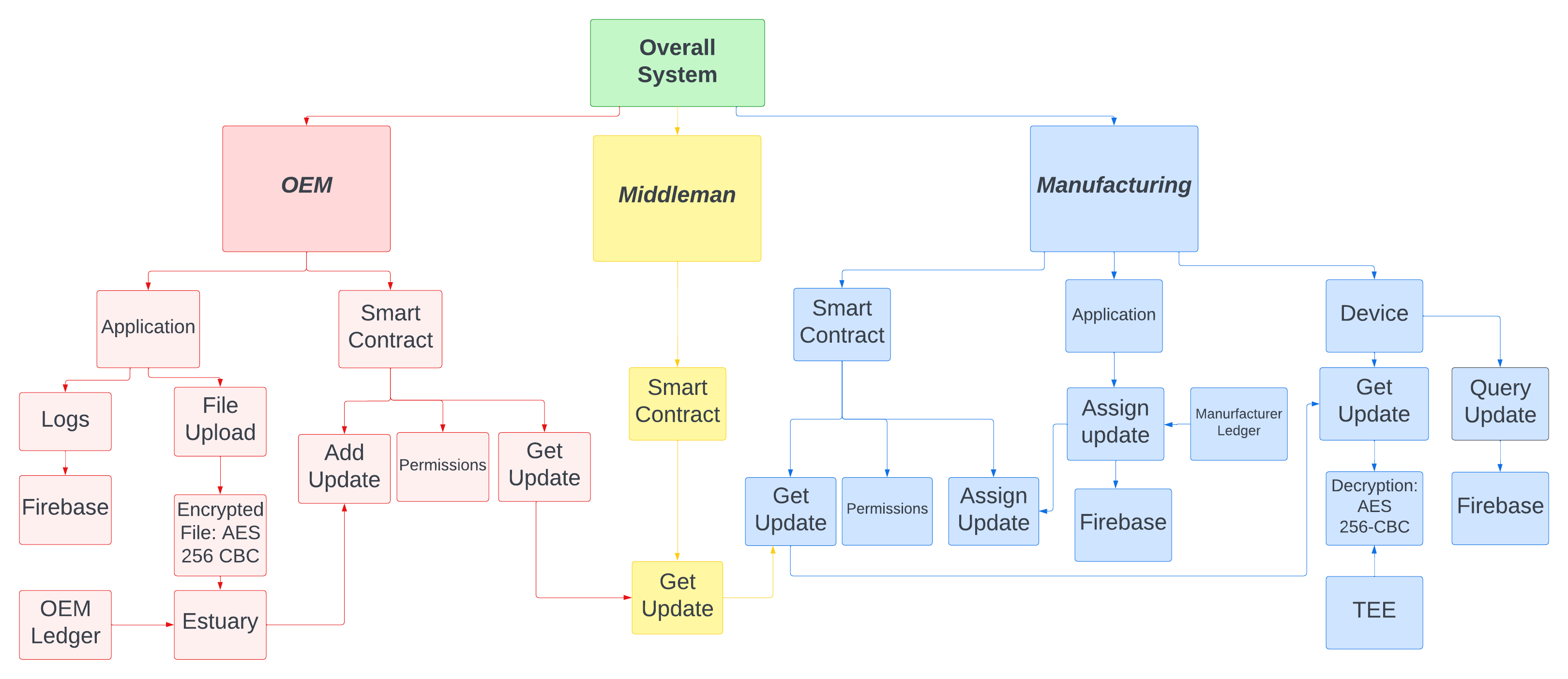
Using DLTs and a consensus-based approach, we built a proof of concept of an over the air secure firmware update system. We used Hedera’s hashgraph system for a low-cost method of ensuring that the integrity of the file sent from the OEM is upheld all the way to the machine itself, while still providing the manufacturer control over the process. No middleman is able to really interfere with the updating process. DLTs also are great for this purpose because of the many third-party actors a manufacturer has to interact with. We also used Estuary’s IPFS client for FileCoin to store the firmware files in a decentralized manner.
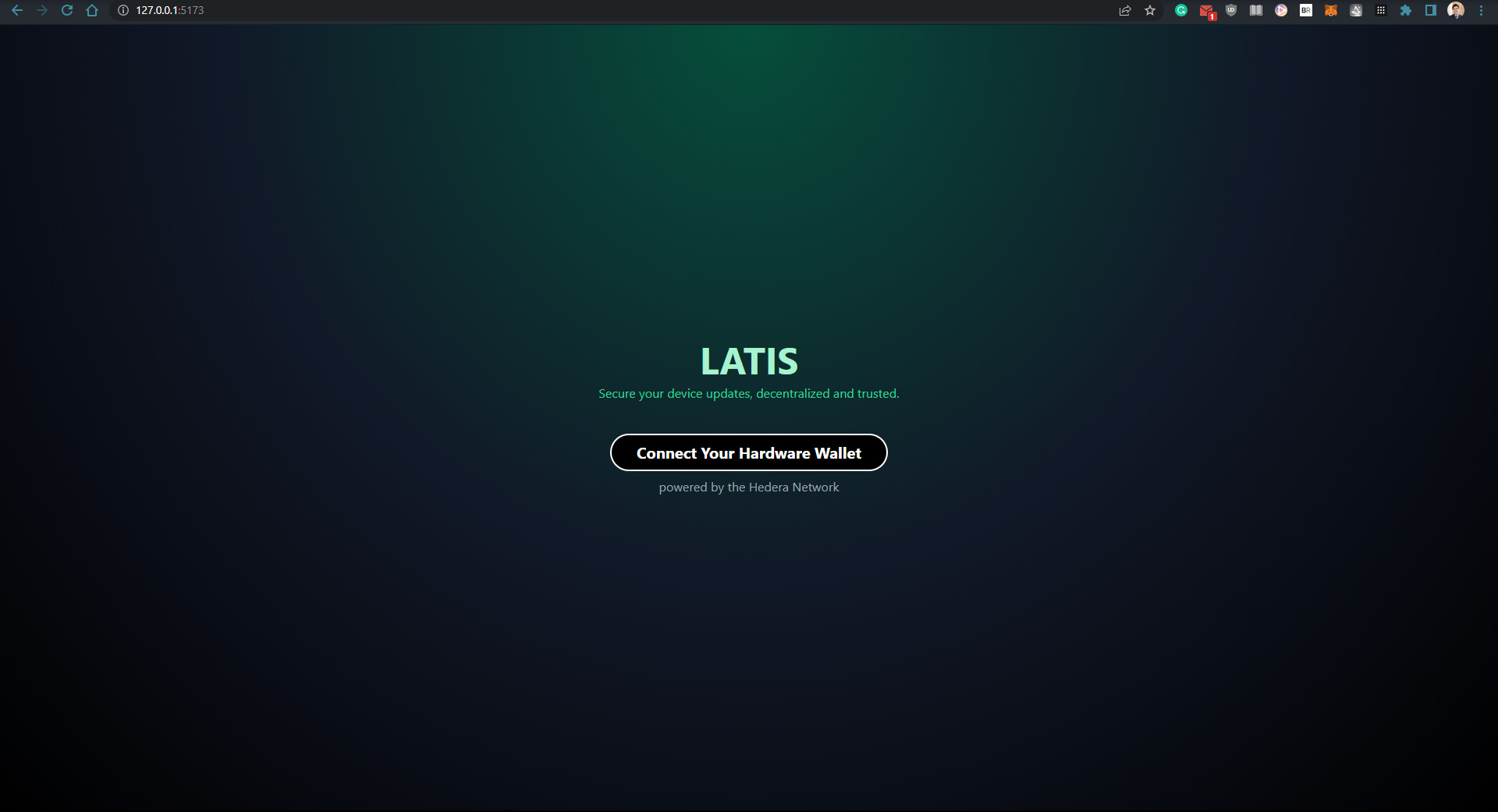
Both of the OEM and manufacturer portals are created using Sveltekit, for locally run web applications. However, access to the actual application is restricted behind a hardware key access, where an individual has to connect their Ledger to actually log into the system. Physical security still is the best security in some cases.
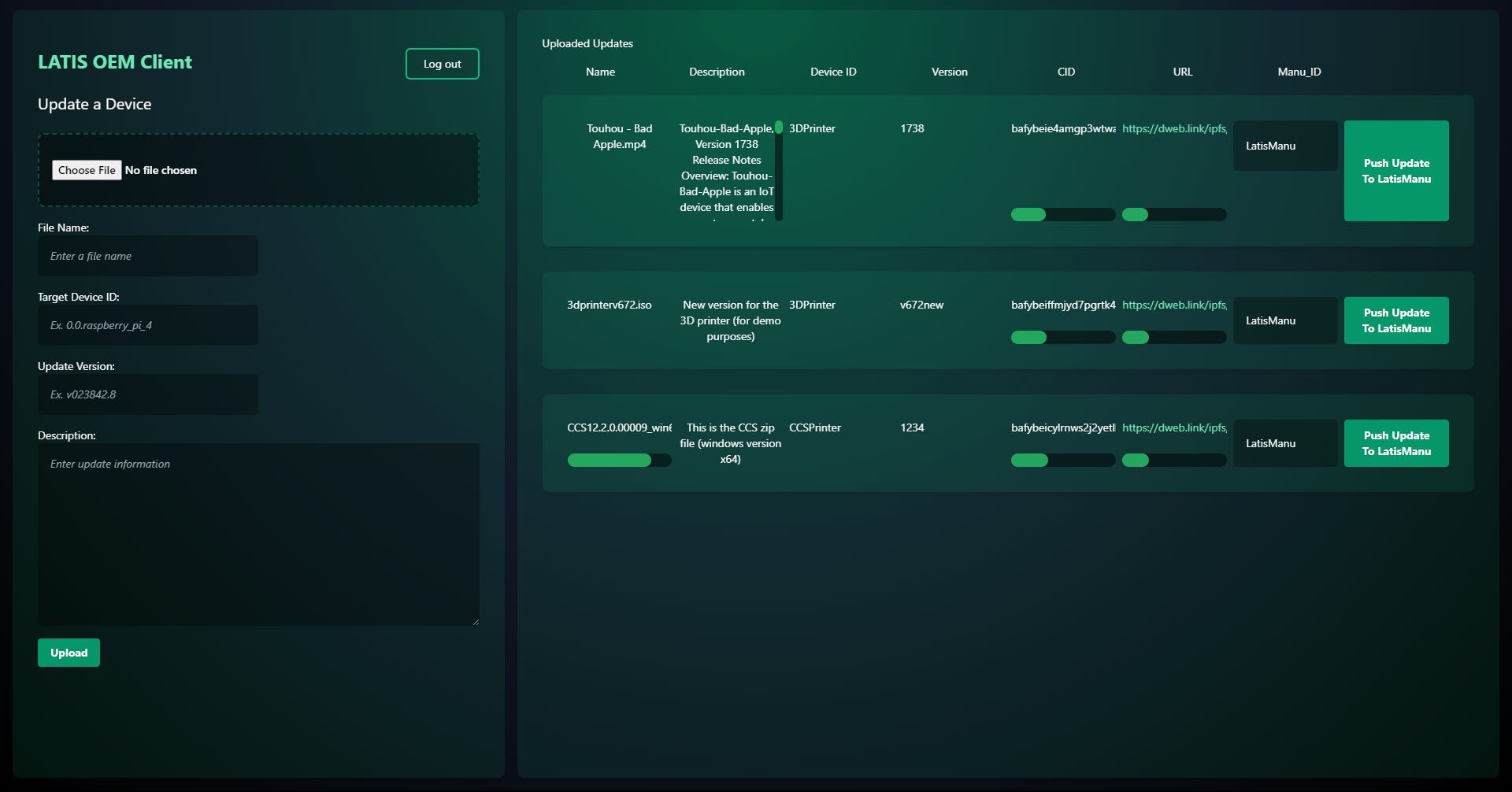
The OEM Screen has a component where they can upload a file to Filecoin through Estuary. They can also see all the current updates they have that are uploaded, and can notify the manufacturer of a new update. All of these transactions are done through smart contracts, so that the OEM can’t just upload a malicious file and send it to the manufacturer, and no one can tamper with the file or notifications once it’s uploaded. We used OpenZepplin for permission security.
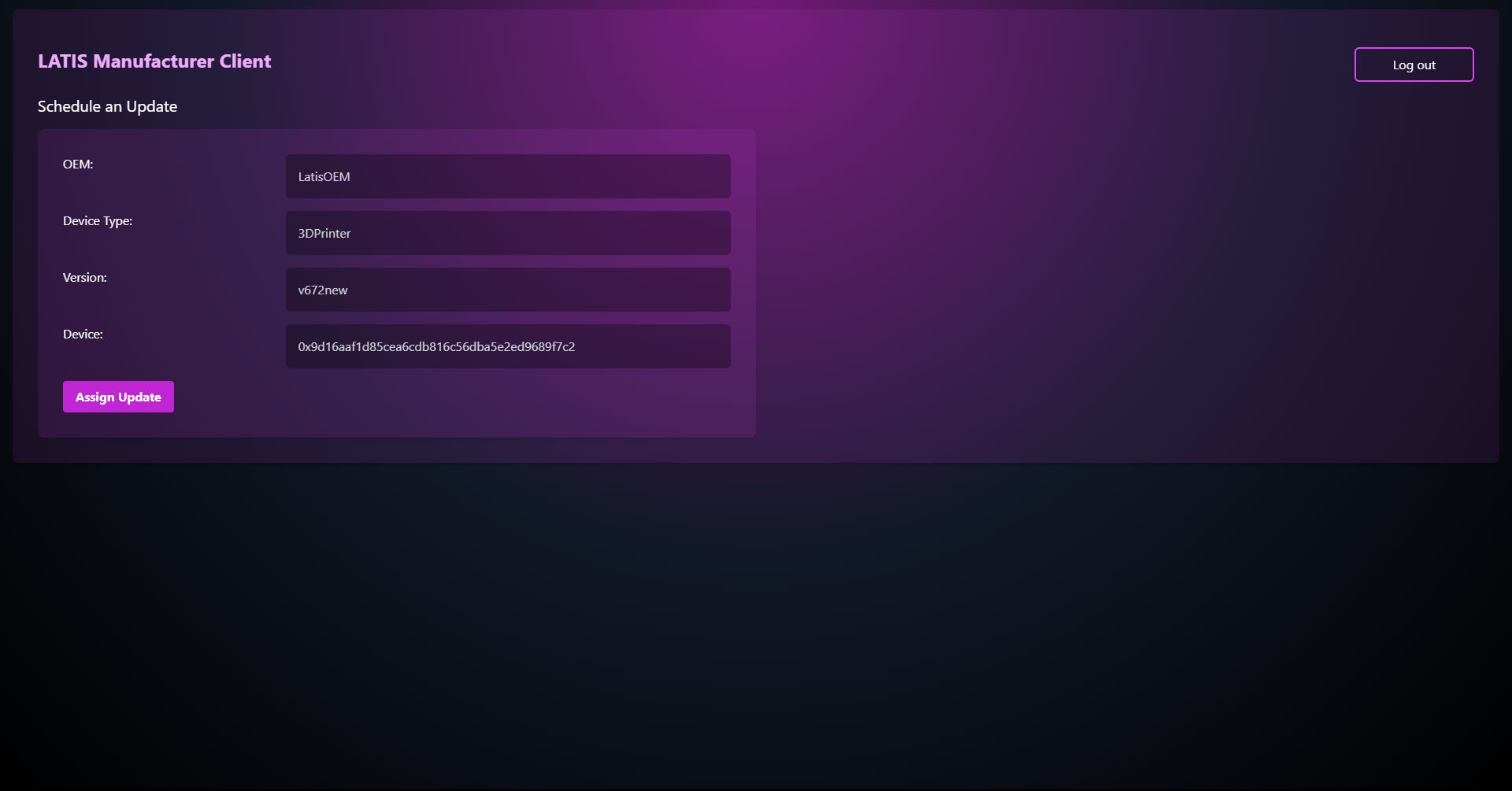
Finally, the manufacturer can see all the updates that are available to them, and can choose which ones to send to which machines. Once sent to the machine (Raspberry Pi), the machine will download the file from Filecoin and verify the integrity of the file using an AES 256 hash. If the file is verified, the machine will update the firmware through a PXEBoot process. If the file is not verified, the machine will not update the firmware.