NeRF This!
Diffusion-based Visual Accumulation
The Research Problem
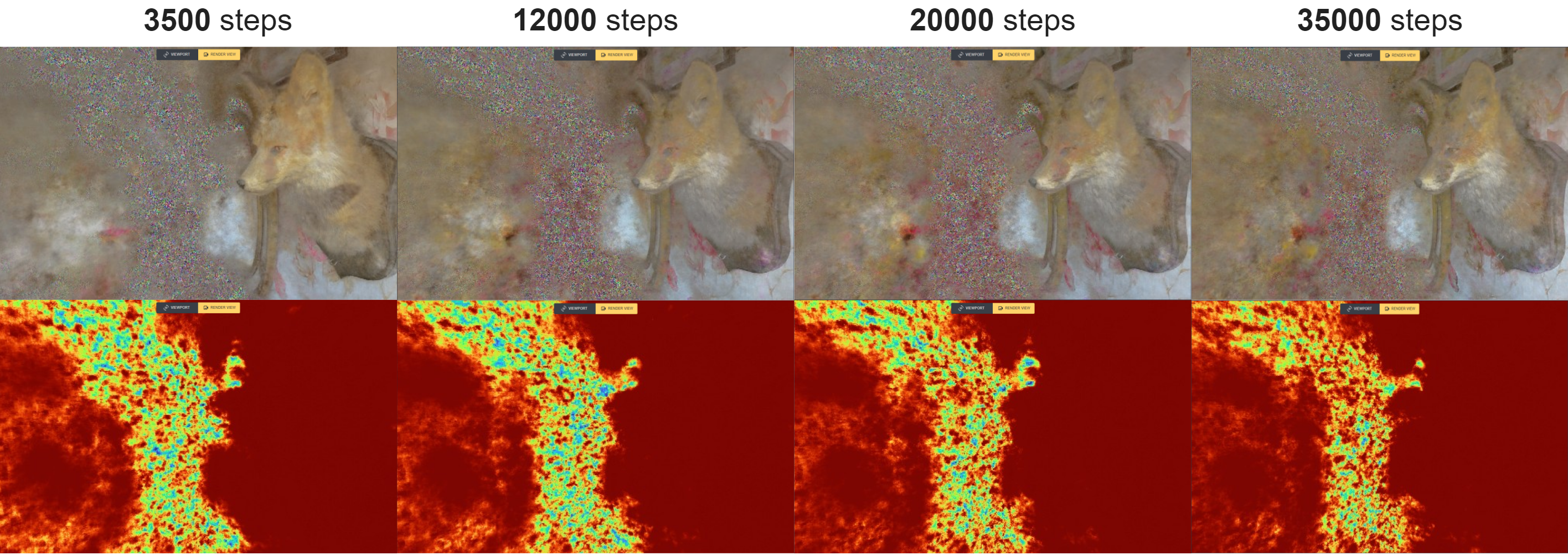
Neural Radiance Fields are a prominent way of synthesizing 3D scenes from image and video captures. However, for many casual users who capture NeRFs and other instances related to limitations with cameras, the initial input data to the NeRF may be low quality or inadequate to have high accumulation and confidence in consensus. As NeRFs tend to overfit on input data for better accumulation and density, not having enough input views to provide high-density accumulation can lead to artifacts such as floaters, clouds, and general noise where an element of the NeRF is supposed to be present.
Our Approach
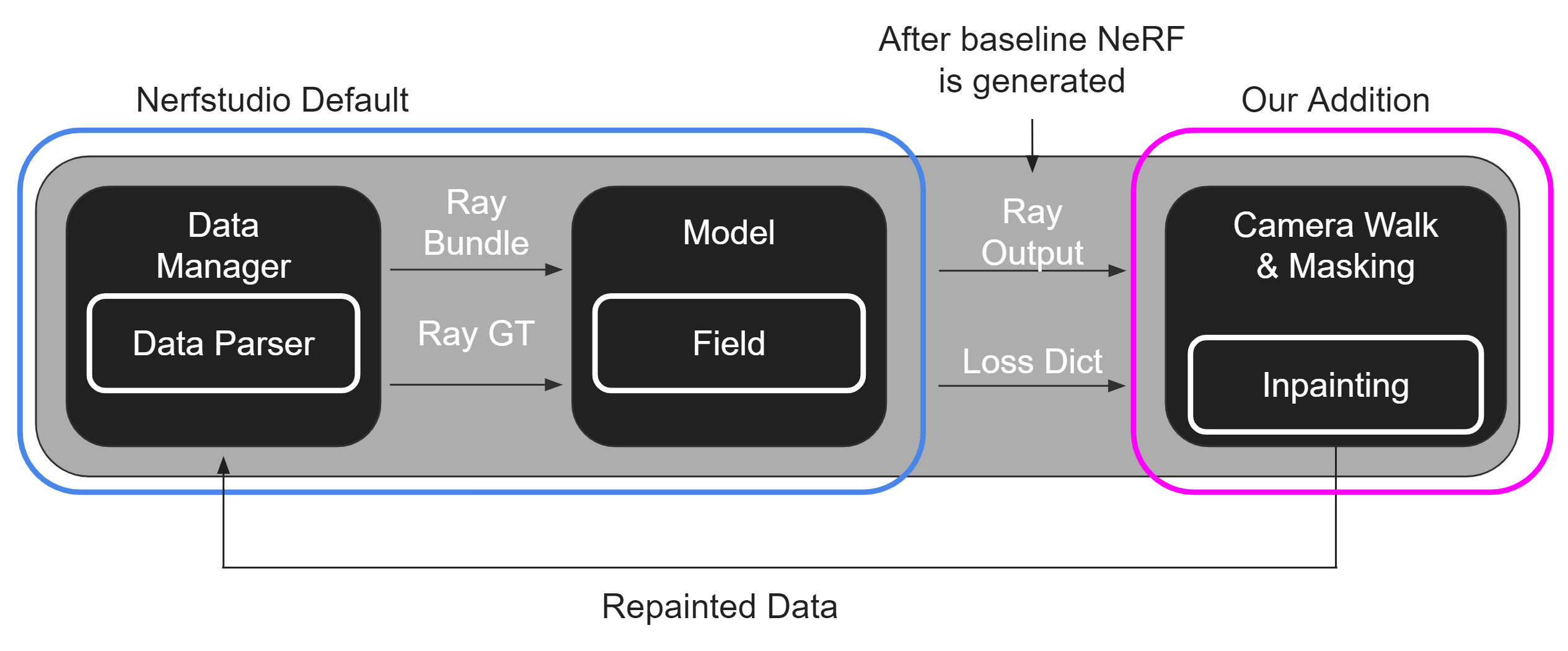
Our approach samples accumulation and information from a prior NeRF with low accumulation and noise, perform noise detection and masking, in-paints the areas with a low prompt guidance diffusion model, and iteratively replaces and retrains the NeRF for gradual accumulation and consensus. Our method improves the accumulation density of NeRFs and can be an effective solution for casual users with low-quality input data.
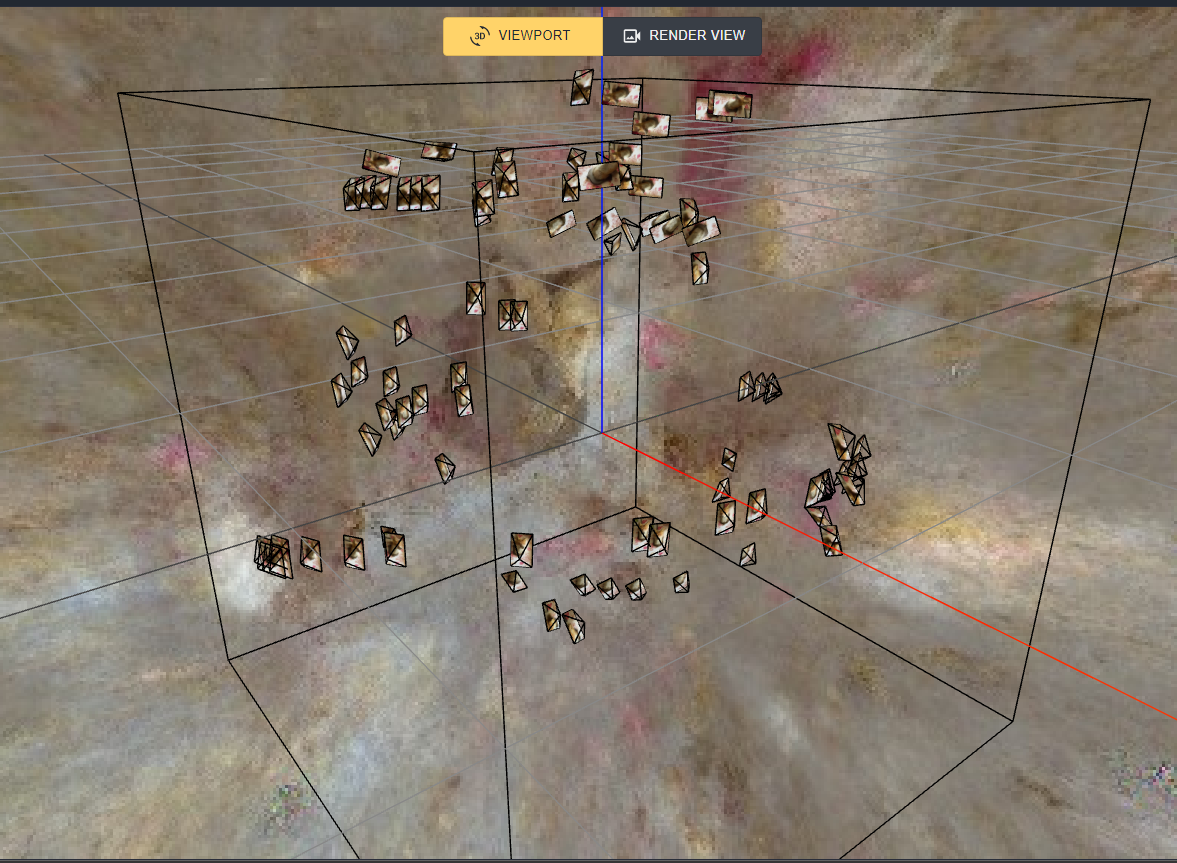
In NeRFStudio, we implemented a camera walk method that stochastically moves a camera around the NeRF to generate new views according to the NeRF’s normals at a certain point. This allows for more controlled and accurate camera placement.
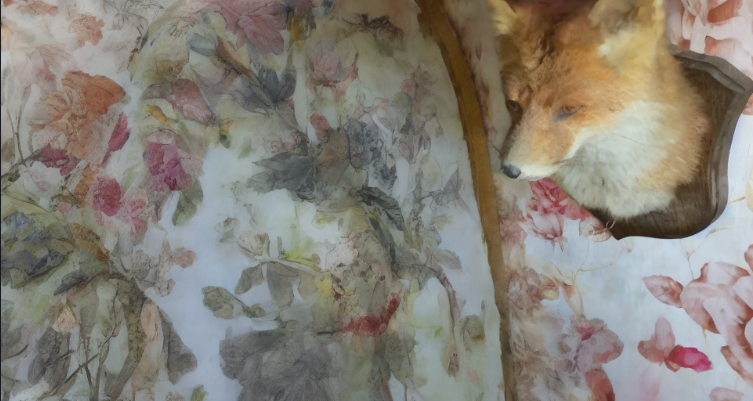
We then took the rendered image at each of the new view points, and used KMeans as well as the Laplacian Filter to create masks that held all areas with low resolution and low accumulation. These places would be then inpainted with a low prompt guidance diffusion model. We do this iteratively and while the NeRF is finetuning, so that we can gradually improve the NeRF’s accumulation and consensus while maintaining the NeRF’s original structure.